

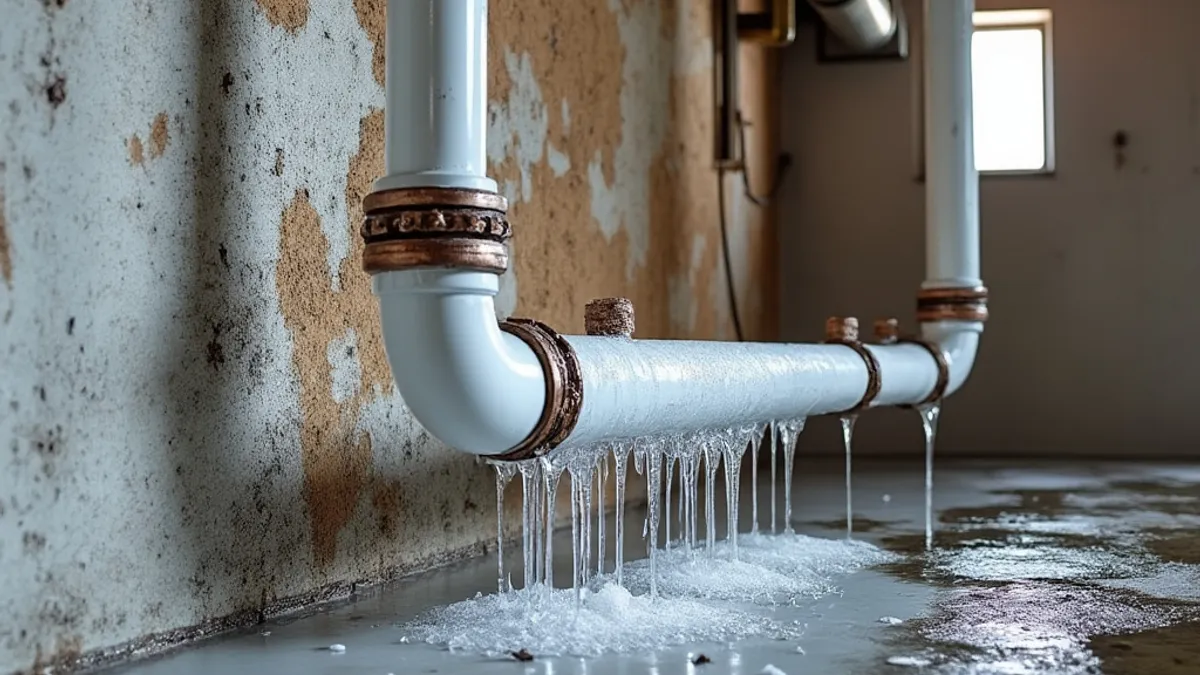
Clean water
Water from a sanitary source — a broken supply line, a water heater, a tub left running. ANSI/IICRC S500 notes it does not stay Category 1 forever: time, temperature and contact with building materials can push it into Category 2 or 3.
Serving all of Mobile · Open 24/7 · (251) 351-8100
An appliance leak rarely announces itself. A supply line behind a dishwasher weeps a few ounces an hour into the cabinet kick, and for weeks the only sign is a floor that feels slightly cool underfoot. On the Gulf Coast that quiet stretch matters more than it would somewhere dry. With roughly 66 inches of rain a year and humid air in every season, a wet cavity here does not sit and wait. It grows something. United Water Restoration Group of Mobile handles appliance leak cleanup across this whole market, from the raised pier-and-beam houses in the historic districts to the slab-on-grade subdivisions in Daphne and Fairhope and the stacked condo units at Gulf Shores and Orange Beach. Each of those three building types hides the same failed hose in a different place, and each needs a different approach to finding the water damage and drying it out. If you have water near an appliance right now, shut the supply valve if you can reach it and call (251) 351-8100.
Almost everything that connects an appliance to the plumbing is a wear part. The braided stainless line under a sink looks permanent, but the crimped collar at each end is the weak point, and once the braid frets through, a line under normal house pressure can put out several hundred gallons in an afternoon. A washing machine hose fails the same way, usually at the elbow where it has been kinked against the wall since the day it was installed. A water heater runs on a clock of its own: the tank corrodes from the inside, the anode rod gives up somewhere in the second half of its life, and the failure when it comes is a seam letting go rather than a drip.
Then there is the other category, the one that does far more damage with far less water. A dishwasher door gasket that seeps a cup a cycle. A refrigerator supply line weeping at the connection behind the unit. A disposal body rusting through into the cabinet below. None of those put water on the floor where you would see it. They put it into the cabinet kick and the subfloor, and they do it for months.
The difference in outcome is enormous. A sudden burst is a bad afternoon and a straightforward dry-out. A slow weep discovered eight months later is a demolition question and a mold question at the same time. By the time someone in Saraland or on the Eastern Shore calls about an odor they cannot place or a soft spot in front of the dishwasher, the burst-hose version of the same job would have been finished and forgotten.
Working out which of the two you have is the first thing we do, because it changes how much water extraction is needed, how far the moisture has already traveled, and whether the insurance claim is likely to be paid.
Where the water goes depends entirely on what the building sits on, and this market gives two very different answers within a twenty-minute drive of each other.
Across the bay in Baldwin County, the newer subdivisions around Daphne, Fairhope and Foley are almost all slab-on-grade. Water from a failed line does not soak in anywhere. It runs sideways along the top of the slab, under the flooring, following whatever fall the leveling compound happens to give it. It reaches the bottom plate of a wall and stops, and then it starts climbing. Drywall wicks upward from its cut bottom edge, and the first thing anyone notices is a baseboard that has swollen or a run of vinyl plank lifting at the seams, often a room away from the appliance that caused it. Nothing is visible from the hallway until that point, which is why slab jobs are so often reported late.
The older housing stock in this city behaves the opposite way. Midtown and the historic districts, Oakleigh Garden, De Tonti Square and Church Street East, are largely raised pier-and-beam over a crawl space. A supply line failure there drops straight through the subfloor into the crawl, wetting joists, insulation and the ground underneath. The living space can look completely normal for a long time. What shows up first is an odor coming through the floor registers, or a floor that flexes underfoot. Crawl space humidity is already high here in an ordinary week, so the condition of the vapor barrier and the ventilation decides whether that water ever leaves.
The beach stock adds a third case. A mid-rise unit at Gulf Shores or Orange Beach can sit empty between guests while a line runs, and because the units are stacked, one failure becomes three or four claims on the floors below before anybody opens a door.
Particleboard is the reason appliance leaks get underestimated so consistently. Cabinet boxes, the kick at the bottom, and a great deal of shelving are made of it, and it behaves like a sponge wearing a laminate skin. It pulls water in along every cut edge, holds it, swells, and then gives that moisture back to the room slowly over days. The floor in front of the sink can read perfectly dry to the hand while the box eighteen inches behind it is saturated and the toe board is coming apart from the inside.
That is why the first hour of an appliance job is measurement rather than demolition. We sweep the floor and the base of the walls with a non-penetrating meter to find elevated areas, confirm with pin meters that read actual moisture content in the wood and the drywall, and use a thermal camera to show evaporative cooling behind surfaces nobody has opened yet. The result is moisture mapping: a drawing of the wet area with numbers on it, including dry readings taken from an unaffected part of the same building so there is a real baseline to dry back to.
Moisture mapping is also what keeps the tear-out honest. It shows the actual edge of the water instead of a guess, so cabinet kicks and toe boards come out where they are wet and stay put where they are not. On a slab job it tells us whether the water crossed a doorway into the next room. In a crawl space it tells us how far along the joists it ran and which bays need equipment. Without it, an appliance leak turns into either far too much demolition or, much more often on this coast, nowhere near enough.
Once the extent is mapped, the work follows the IICRC S500 standard for water damage restoration. Water extraction comes first, and it is more than a pass with a wet vacuum. A weighted extraction tool driven slowly across carpet and pad, or a stand-on unit worked over glue-down flooring, pulls far more out of the assembly than surface suction ever will. Every gallon taken out mechanically is a gallon the drying equipment does not have to evaporate, and that is the cheapest day of the job.
Containment comes next where it is warranted. If the water sat long enough to be a microbial question, or the affected area opens onto occupied rooms, we build a poly containment and put it under negative air so nothing travels through the rest of the building while cabinets are opened. Where growth is already established, that work follows IICRC S520 and the containment is not optional.
Then structural drying. Air movers are set to sweep air across the wet surfaces rather than blast at them, including under cabinet bases and into wall cavities through small ports where the assembly cannot be opened up. Dehumidification does the actual removal, pulling the evaporated moisture out of the air so the drying does not stall halfway. That balance matters more here than almost anywhere else. The outside air carries enough humidity most of the year that opening windows makes the problem worse, and through hurricane season it is worse again. The system has to stay closed and the dehumidifier has to be sized to the volume it is working in.
We meter the same mapped points every day and write the numbers down. Drying is finished when the affected material matches the dry standard taken from the unaffected part of the building, not when the calendar says three days. Surfaces are cleaned and sanitized as they come dry, because a cabinet cavity that has held dishwasher discharge for a month is not a clean-water situation by the time anyone opens it.
The one thing that decides most appliance-leak claims is whether the failure was sudden and accidental or gradual. A supply line that lets go, a water heater that splits, a washing machine hose that bursts: those are sudden, and a standard homeowners policy generally covers the resulting water damage, although usually not the failed appliance itself. A fitting that has been weeping behind a cabinet since last spring is long-term seepage, and most policies exclude that by name. The water is identical. The wording is what pays.
Which side of the line a loss falls on is decided by evidence, so documentation starts on the first visit rather than when an adjuster calls. We photograph the failure point before anything is moved, bag the failed hose, valve or fitting instead of throwing it out, log the daily moisture readings against the mapped points, record what equipment sat where and for how long, and list the affected materials room by room. That package is what an adjuster needs in order to write a scope, and it is the difference between a disputed claim and a paid one. We work the insurance claim alongside the carrier and can bill the carrier directly once coverage is confirmed.
It cuts the other way honestly, too. If the readings and the condition of the material show a slow leak rather than a sudden one, we will tell you that before you file, so you can decide what to do knowing the likely answer instead of learning it from a denial letter three weeks later. Either way the building still has to be dried, and that part does not wait on a claim decision.
A few minutes of the right first moves can save thousands in damage. Here is what to do — and what not to do — before we arrive.
Crews are standing by in Mobile right now.
Call (251) 351-8100How It Works
The hardest part of property damage is facing it on your own. You do not have to — from the first phone call, it is our job, not yours.
Step 01
Any hour, any day, a real person picks up — not a machine and not a national call center. You describe what you are looking at, and from that moment it stops being your problem to solve on your own.
Step 02
Our crew works out how far it has really gone, including what you cannot see behind walls and under floors. You do not have to know what to look for, or guess how bad it is.
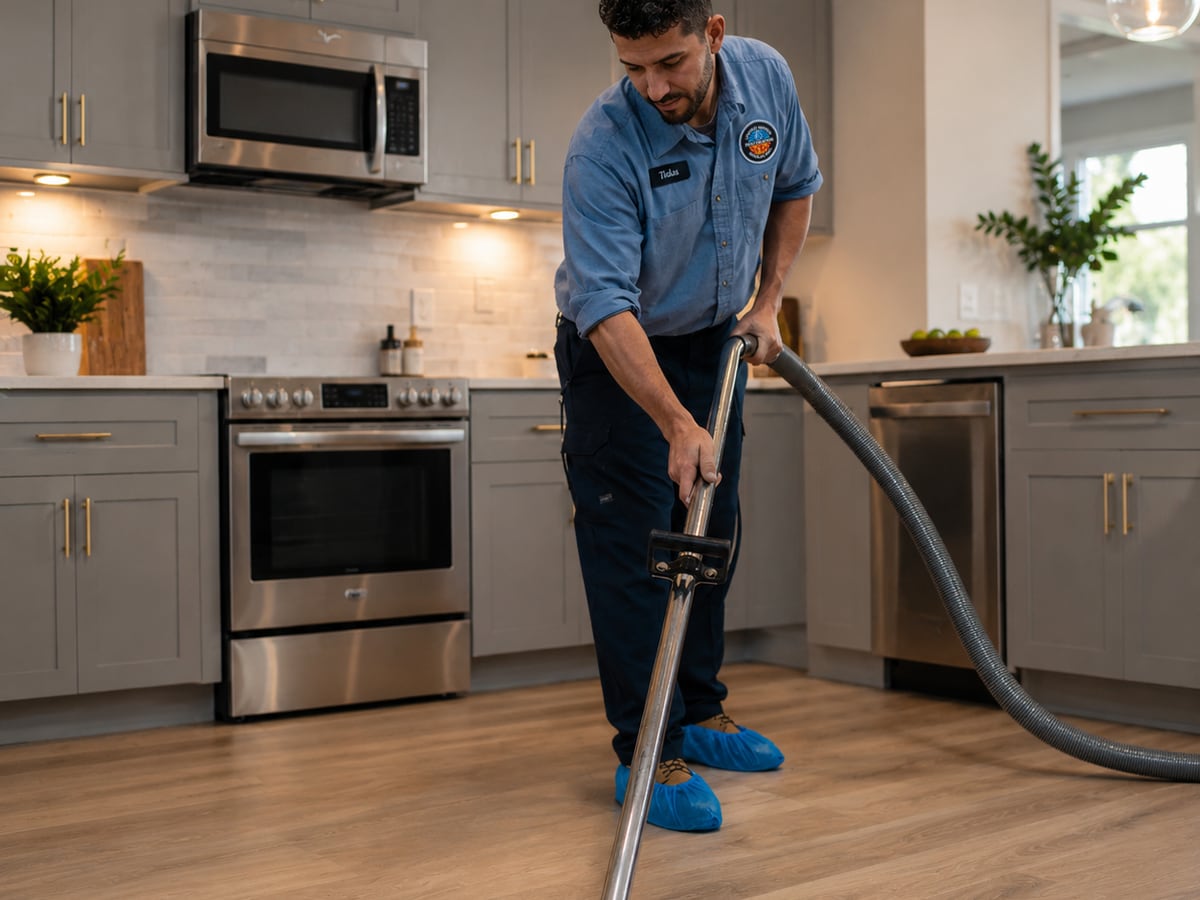
Step 03
What comes out, what gets dried, what can be saved — those are our calls to make, and we explain each one as we go. Readings are recorded throughout, so nothing rests on you taking our word for it.
Step 04
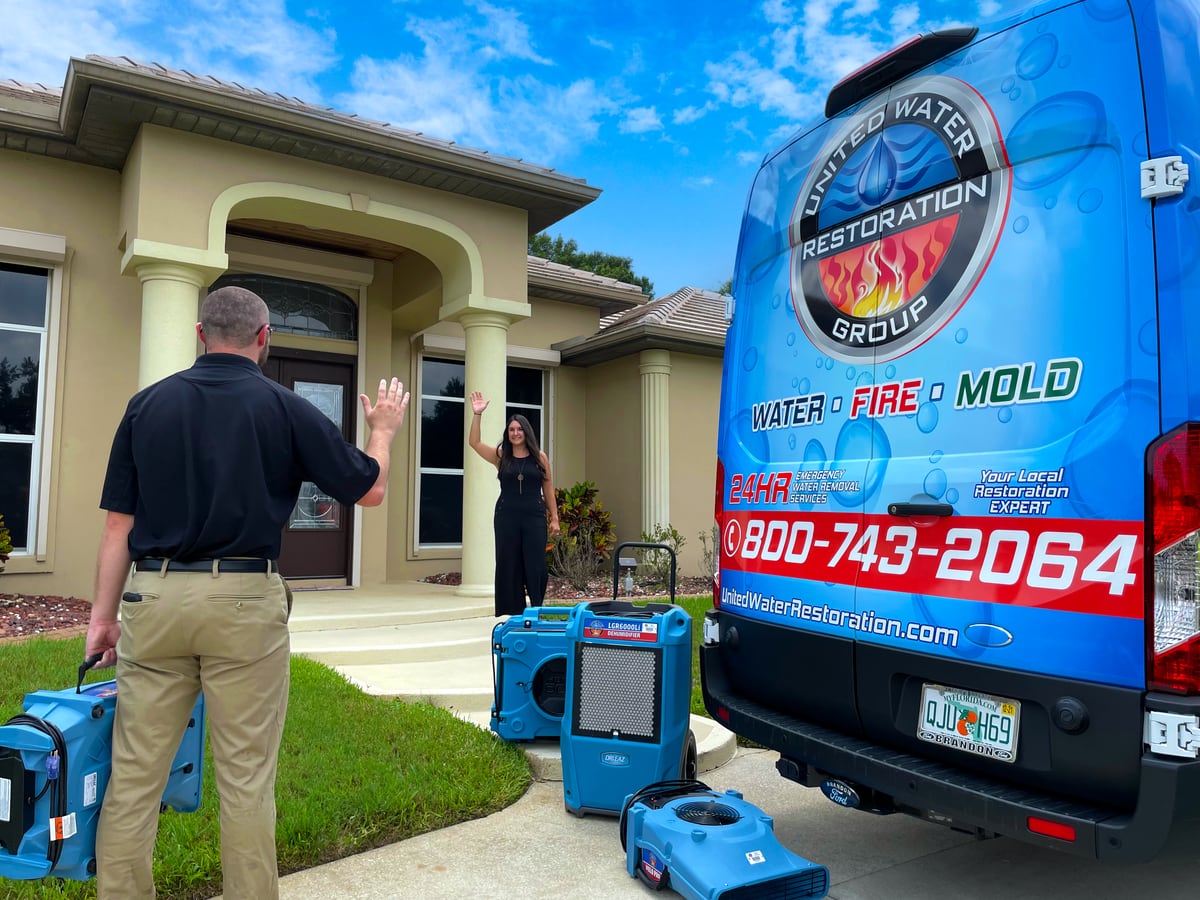
Our own team rebuilds what came out and hands the place back finished, with everything documented the way your adjuster expects it.
The restoration standard sorts water by how contaminated it is, and that classification — not how much of it there is — decides what can be dried and what has to go.
Water from a sanitary source — a broken supply line, a water heater, a tub left running. ANSI/IICRC S500 notes it does not stay Category 1 forever: time, temperature and contact with building materials can push it into Category 2 or 3.
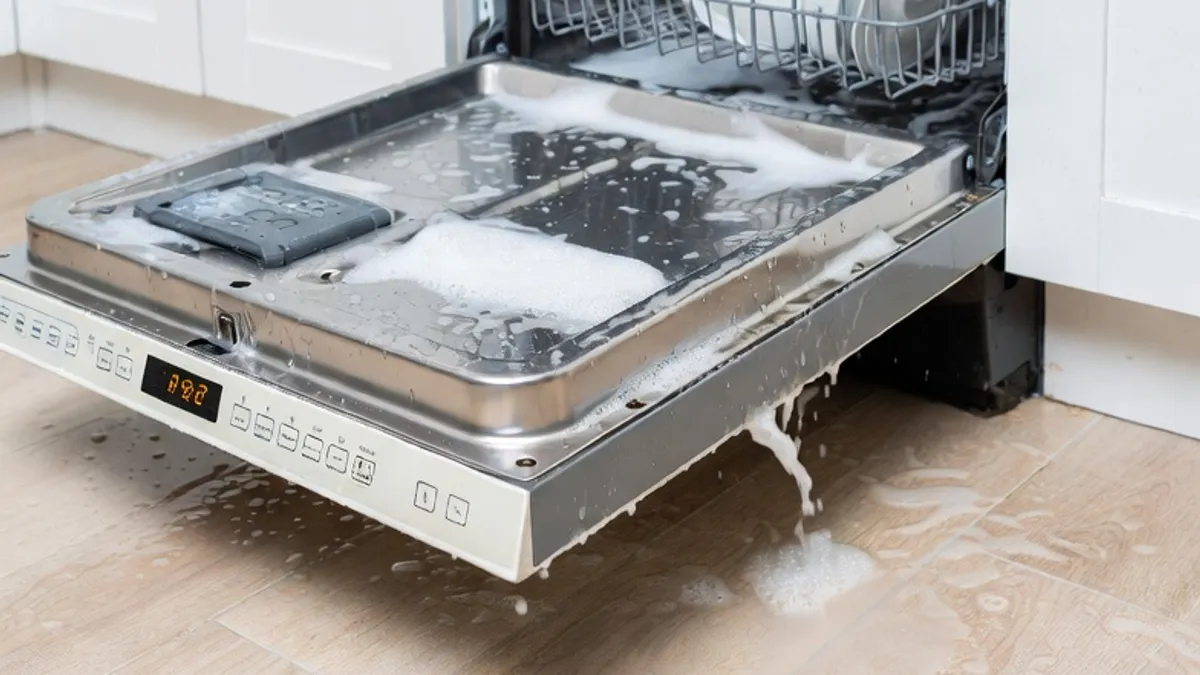
Water with significant contamination — enough that it could cause discomfort or illness if someone touched it or swallowed it. S500 puts dishwasher and washing-machine discharge, an overflow from the toilet bowl itself with urine but no feces, and seepage through a foundation under hydrostatic pressure in this group.
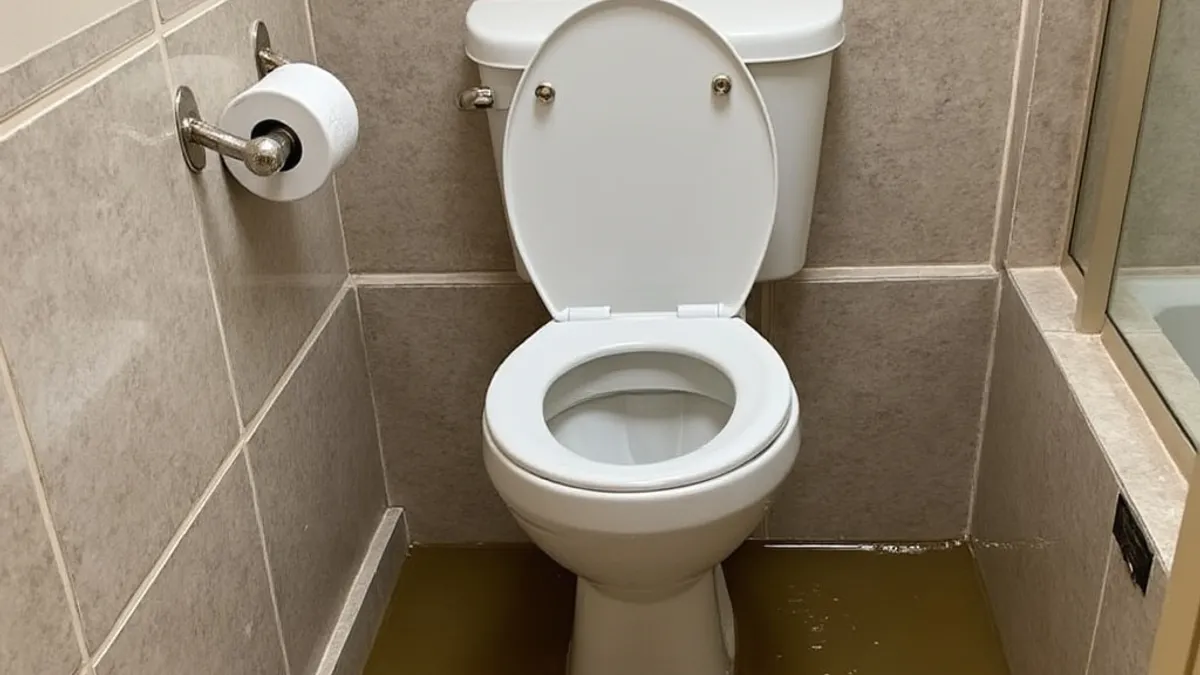
Grossly contaminated water that can carry pathogens — sewage, backups from past the toilet trap, and ground or surface water that has entered the building. S500 generally calls for porous materials that absorbed it, such as carpet cushion and insulation, to be removed rather than dried.
Classification per ANSI/IICRC S500, the industry standard for professional water damage restoration.
Water damage is not one event, it is a sequence. Each stage costs more to undo than the one before it, which is why drying starts before anything else does.
First hours
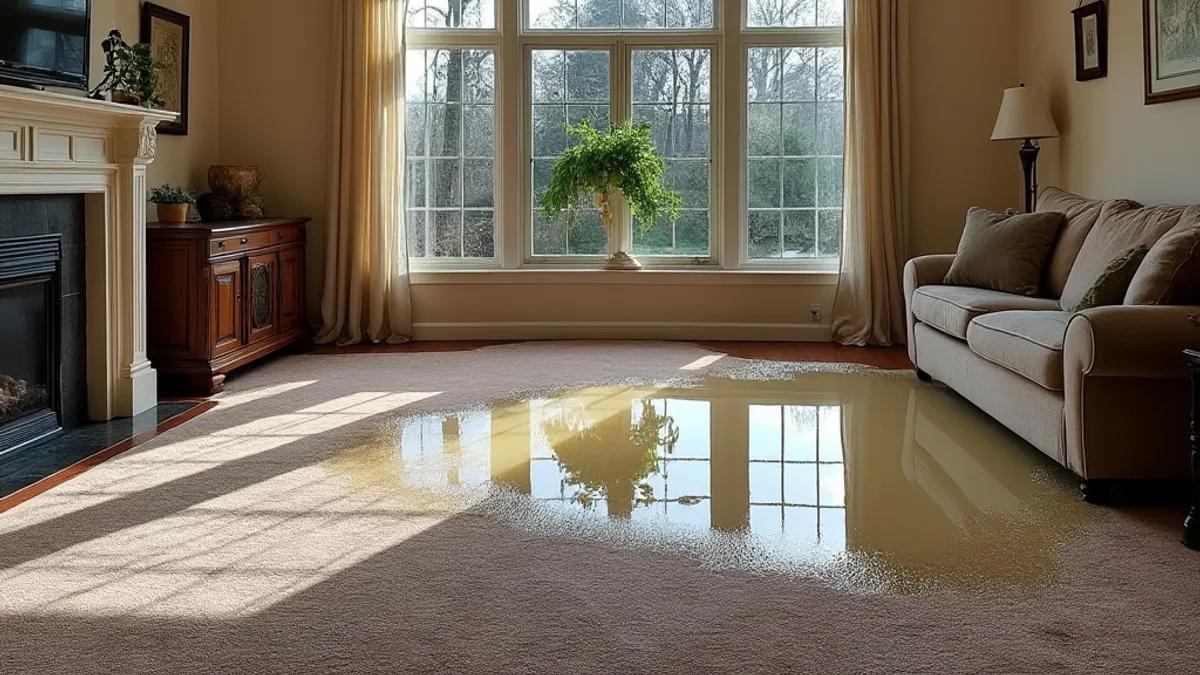
It runs along the floor and wicks upward into drywall, carpet cushion and insulation, so the wet area is already larger than the puddle you can see.
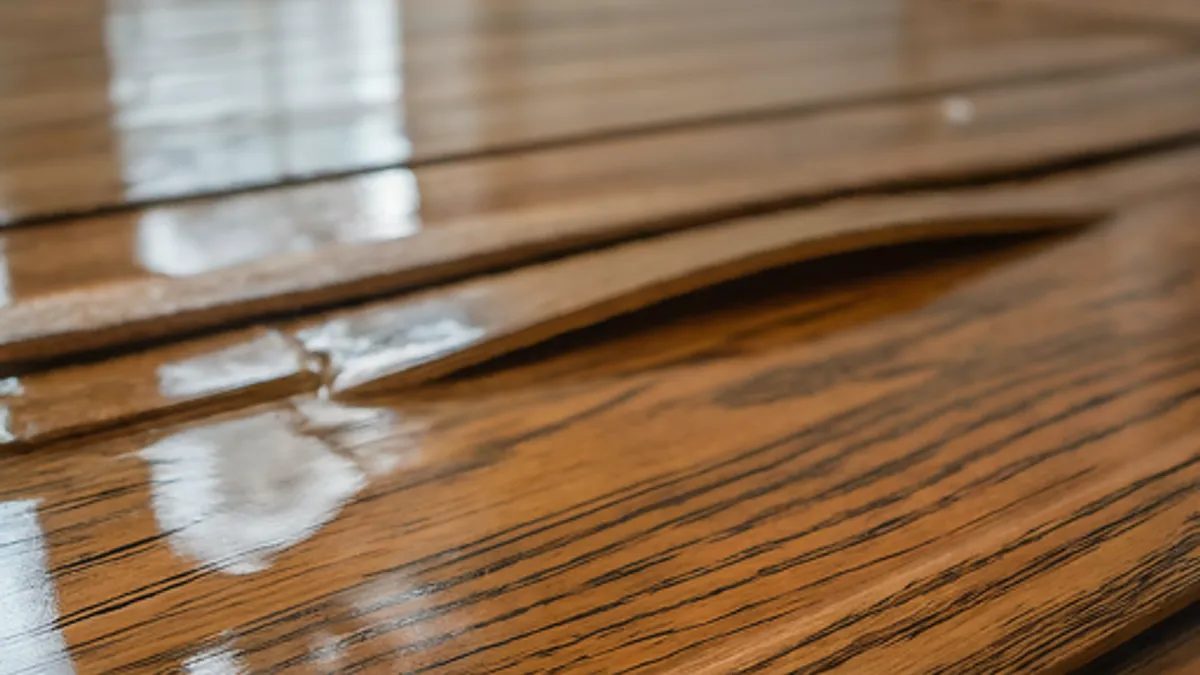
1–24 hours
Wood swells and cups, drywall softens, and anything made of pressed board or laminate begins to come apart at the seams.
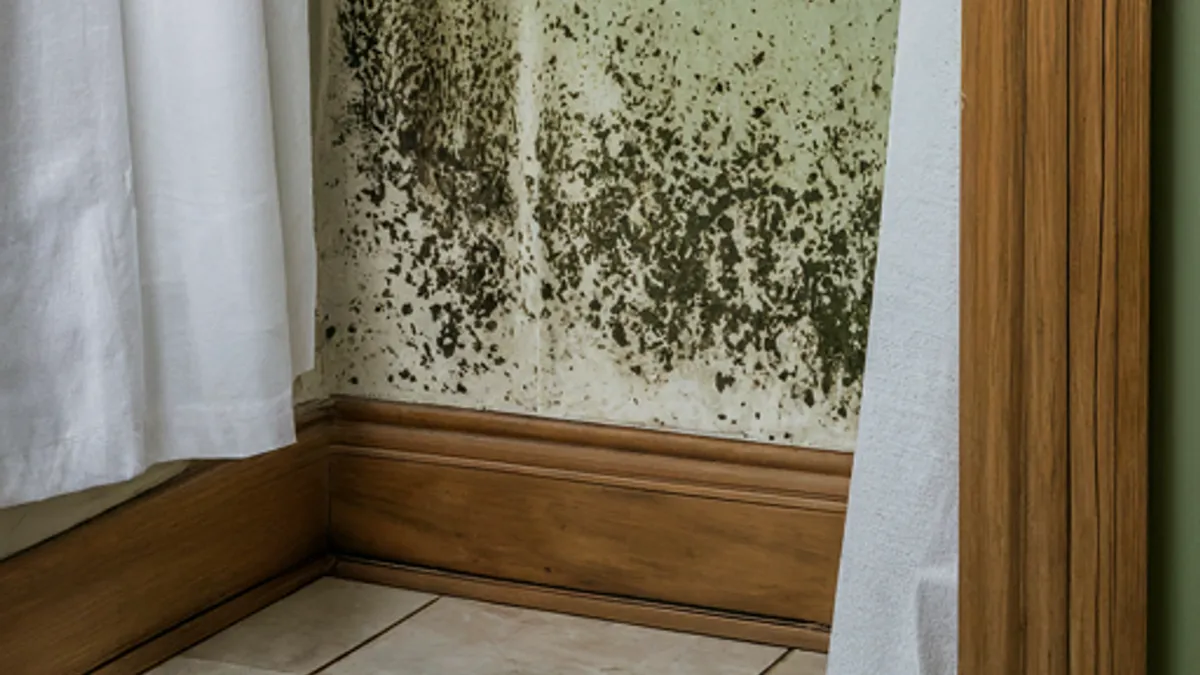
24–48 hours
EPA guidance is that wet material dried inside the first 24 to 48 hours will, in most cases, not grow mold. Past that window it can, and then the job is no longer only about water.
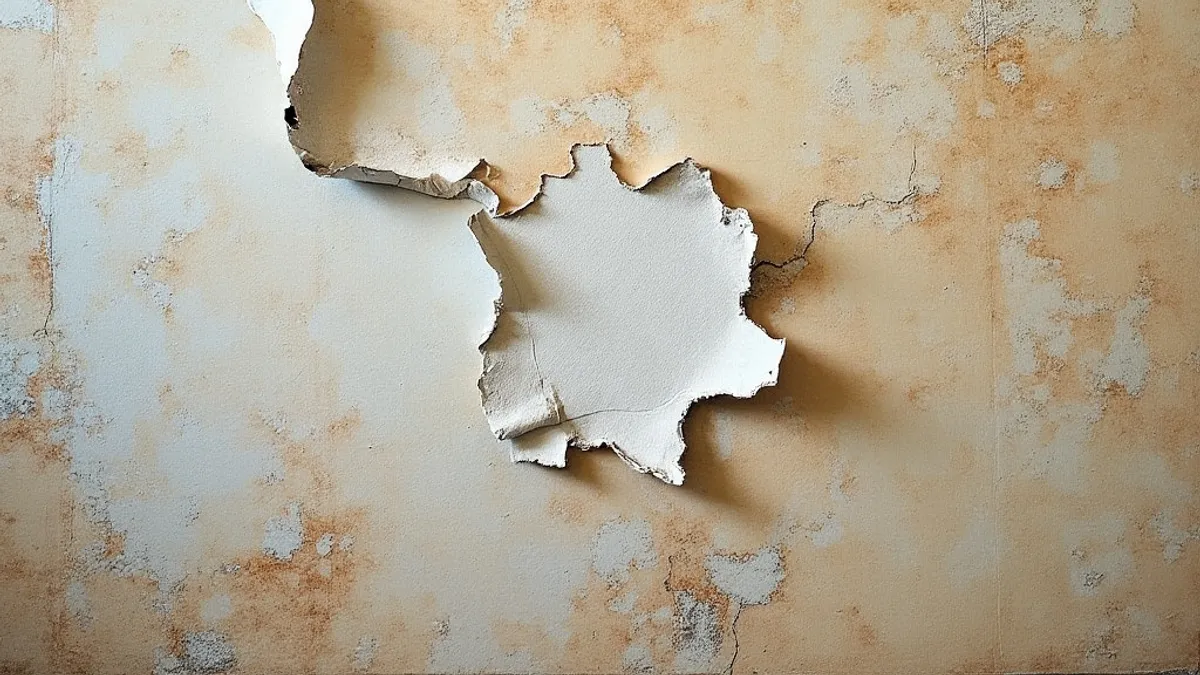
2–7 days
Paint and wallpaper let go, joints open up, and moisture travels through wall cavities into rooms that were never touched by the original leak.
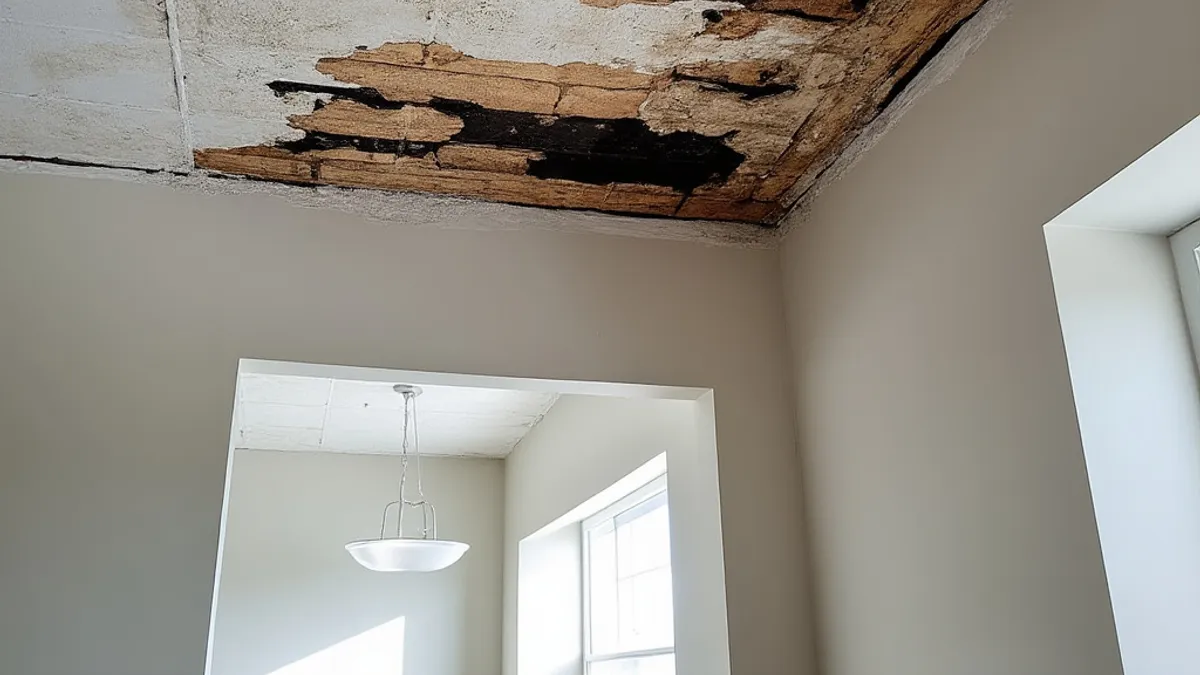
1 week or more
Once structure and finishes have held water this long, the work shifts from drying materials out to cutting them out and putting new ones back.
Mold timing per US EPA guidance on moisture and mold. The other stages vary with the material, the temperature and how much water is involved.
Drying a structure is a measured process, not a matter of pointing fans at a wet floor. Each piece of equipment does one job in that sequence.
Vacuum systems, truck-mounted or portable, that pull standing water out of carpet, cushion and hard surfaces. S500 prioritises physically removing water first, because extraction takes out far more of it, far faster, than evaporation ever will.
Low-profile blowers aimed along a wet surface rather than at it. They peel off the thin layer of saturated air sitting on the material, which is what keeps evaporation from stalling.
Air movers move water out of materials and into the air; dehumidifiers take it back out of the room. Refrigerant units condense it on a cold coil and drain it off, desiccants pull it onto a drying medium. Evaporated water that is not removed raises humidity, and dry materials can take it back on — what S500 calls secondary damage.
Pin and pinless meters read how much water is actually inside wood, drywall and subfloor. S500 sets the finish line as a dry standard — readings taken from unaffected material of the same type in the same building — not how a room looks or feels.
Temperature and relative humidity readings taken inside the drying area, outside it, and at the dehumidifier outlet. Comparing the three shows whether the setup is genuinely pulling water out of the building or just stirring it around.
A thermal camera cannot see water — it sees temperature. Wet material usually reads cooler because evaporation cools it, so the camera narrows down where water travelled behind walls and where to put a meter next.
Sheeting seals the work area and a HEPA-filtered machine holds it under negative pressure, so dust and spores leave through the filter instead of drifting through the building. IICRC S520 treats containment and HEPA filtration as standard controls when contaminated material is disturbed.
Floor mats and structural cavity drying systems move air through wall and ceiling cavities, under flooring, and into enclosed spaces such as the void beneath cabinets. The aim is to dry an assembly in place — where the category of water or the state of the material allows it.
Equipment roles per ANSI/IICRC S500; containment guidance per IICRC S520 and EPA mold guidance.
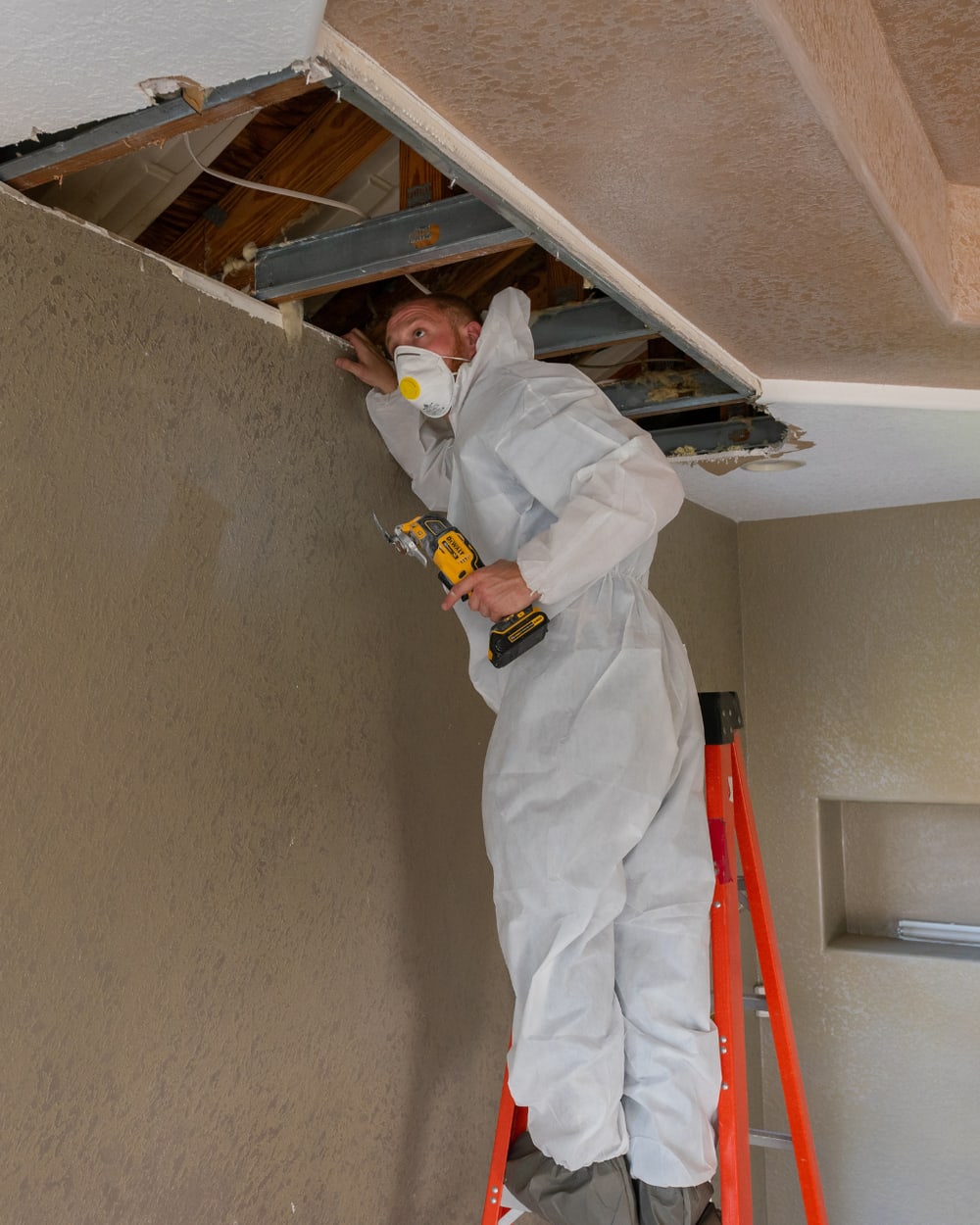
Drying in place is the goal, and it is often achievable. What decides it is the category of the water and what the material is made of — a measured judgement rather than a guess. Under ANSI/IICRC S500, porous materials that absorbed contaminated water are generally removed rather than dried, while materials wet by clean water can frequently be dried where they are.
Where an assembly has to be opened, it is opened deliberately: enough to reach wet insulation and framing, documented before anything is cut, and put back by the same company that took it out.
Restoration is stressful enough without fighting through a claim alone. Our crews document everything — photos, moisture readings, and a clear scope of work — in the format adjusters expect, and we communicate with your insurance company throughout the job. You always know what is happening and what your policy covers before work begins.










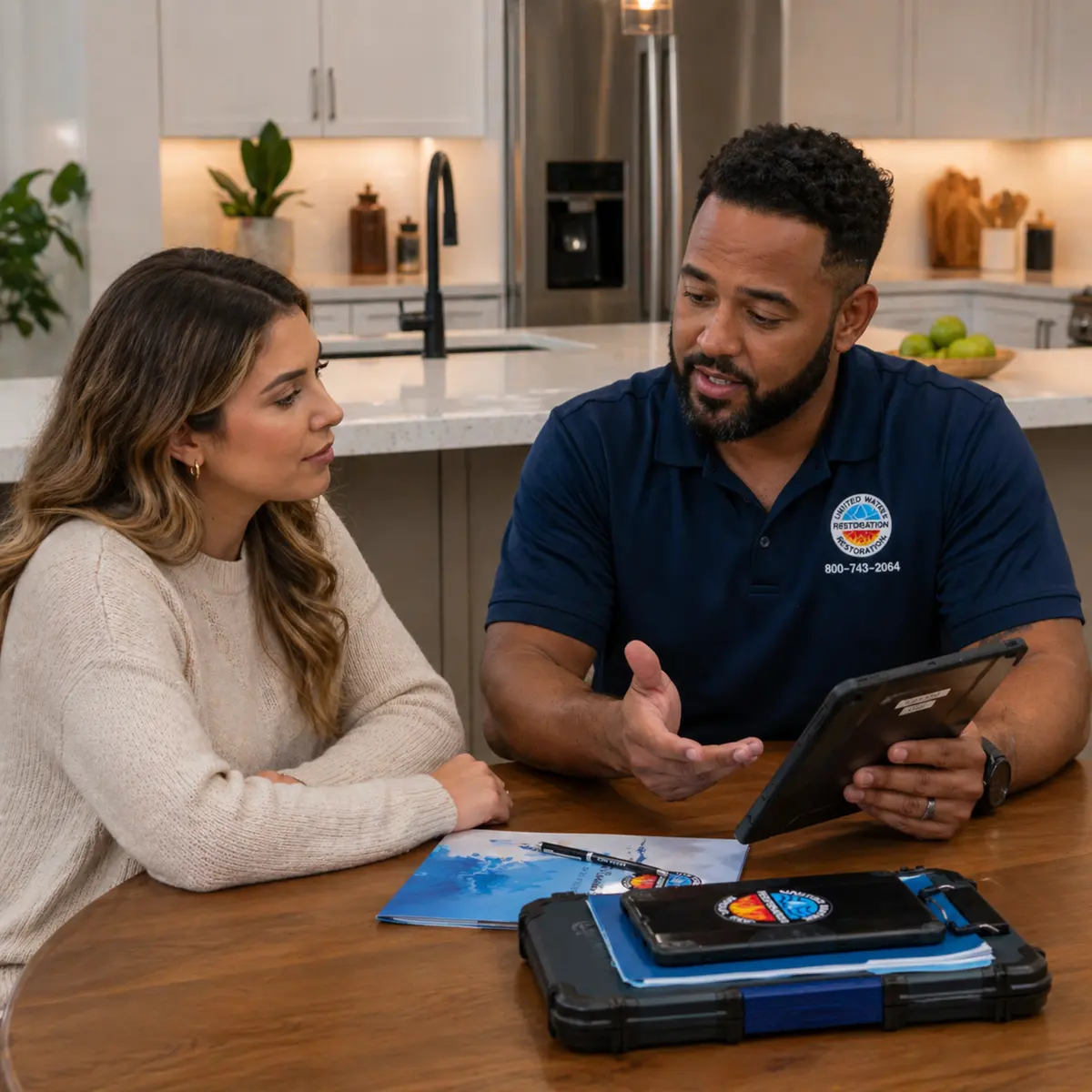
An appliance leak is the kind of loss that looks small and is not. The water is usually clean at the moment it escapes, the volume is often modest, and the damage is almost entirely in places nobody looks. What decides the outcome is how quickly the wet material is found and how completely it is dried. On this coast that clock runs faster than most people expect, because humid air in every season means a cavity that stays wet does not simply stay wet. It becomes a mold job sitting on top of a water job, with no second leak required. Crews run out of our office at 3710 Halls Mill Rd A and cover the whole territory from there. Saraland is about twelve miles north. Daphne and Fairhope sit on the Eastern Shore at roughly fifteen and twenty-two miles across the bay. Foley is around forty, and Gulf Shores and Orange Beach are out at the Gulf at about fifty. There is no storefront in each of those towns, and we would rather say so plainly than imply otherwise. What there is, is a truck carrying extraction and drying equipment and a technician who will map the moisture before pulling a single cabinet apart. If you have found water near an appliance, or an odor or a soft floor you cannot explain, shut the supply off at the valve if you can reach it and call United Water Restoration Group of Mobile at (251) 351-8100.
Our crews are local and dispatch around the clock — no subcontracted call center. Call (251) 351-8100, tell us what you are seeing, and we will give you an honest arrival window for your address and talk you through what to do until the crew gets there.
In most cases yes, depending on your policy and the cause of the damage. We document everything, use the same estimating standards insurance companies use, and work directly with your adjuster so the claim goes smoothly.
Every job is different, so we start with an inspection and give you a clear written estimate before any work begins. When insurance is involved, our scope lines up with your claim — no surprise bills.
We are local to Mobile, certified to IICRC industry standards, available 24/7, and we handle everything from emergency cleanup through full reconstruction — one team, start to finish.
What you can see is the surface. Subfloor, wall cavities and insulation hold water long after a floor feels dry underfoot. EPA guidance is to dry water-damaged areas and materials within 24 to 48 hours, because in most cases that is what keeps mold from starting — and the only way to know a material is dry is to measure it.
By measurement, not by calendar. ANSI/IICRC S500 works from two reference points: a dry standard, which is a reasonable approximation of a material’s moisture content before the water got in, and a drying goal for the end of drying. The dry standard is commonly established by reading unaffected material of the same type in the same building, and readings are recorded as drying progresses.
Often, though not always, and it is decided by moisture readings rather than by how bad the cupping looks. Wood cups because the underside is wetter than the top, and specialty mat systems can draw that water back out through the surface. Two things usually end the conversation: water that sat long enough to delaminate an engineered plank, and contaminated water that got underneath. Sanding is the last step, never the first — a floor sanded flat before it finishes drying will crown as it dries.
Please leave it running. Drying is a continuous cycle of evaporation and dehumidification, so hours with the equipment off are hours the materials sit wet. Ask the crew to reposition or re-angle a unit if a room is impossible to sleep in, and if the running cost is the worry, raise it with your adjuster.
Usually not as a first step. EPA guidance is that sampling is generally unnecessary when mold is already visible, because the response is the same either way: fix the moisture and remove the growth. Testing earns its place in narrower situations — confirming a suspected hidden source, or documenting conditions when something is in dispute.
It can, and it is worth knowing before you file. Many homeowners policies draw a line between a sudden, accidental discharge and damage that developed gradually, and the wording varies from policy to policy. Read your own coverage and ask your adjuster directly rather than assuming it either way — and from the start, document what you found and when you found it.
Tell us what happened and we will call you right back. For emergencies, calling (251) 351-8100 is always fastest — we answer 24/7.

In Case of Property Damage, Call:
251-351-8100We answer around the clock and dispatch from right here in Mobile.
IICRC Certified · Water · Fire · Mold · 24/7 Emergency Response